For two decades, a blue link on a search results page was how most people met a brand for the first time. That default is quietly falling apart.
AI-generated answers, chat assistants, social search, and app-native discovery now shape how people form an impression of a brand before they ever land on its website. For designers and creative teams, this isn't an SEO story. It's a brand-surface story, and it changes where identity actually needs to show up.
What's Actually Changing
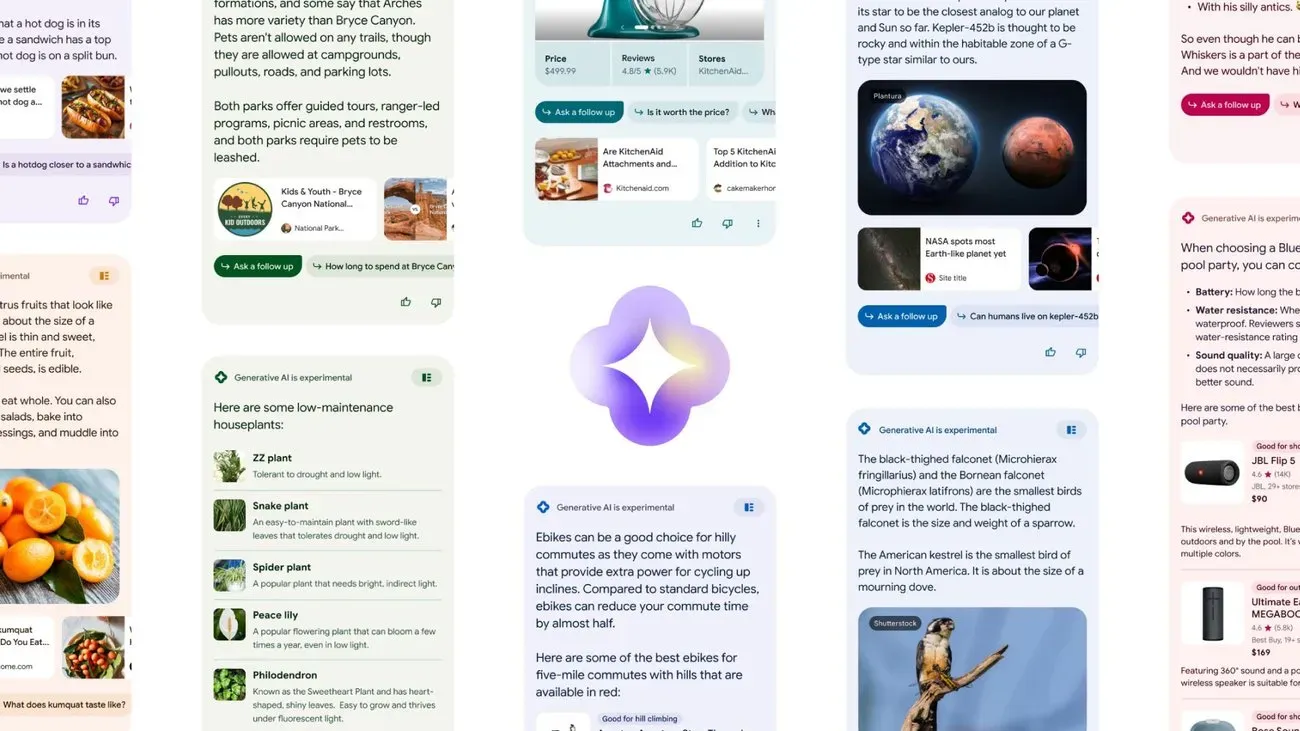
Google's AI Overviews now answer many queries directly on the results page, often skipping the click to a website entirely. At the same time, ChatGPT's search feature and tools like Perplexity are becoming a discovery layer for "what should I buy" questions, surfacing brands as text mentions rather than designed pages. Add in younger audiences using TikTok and Instagram as search engines, plus marketplace and map listings governed by platform templates, and the "front door" is now several doors, each rendering a brand differently.
Why This Matters for Brand Identity
Brand systems were built for a few controlled canvases: website, packaging, signage. AI summaries and platform snippets are uncontrolled canvases. A name or offer might get paraphrased by a model instead of displayed as designed. That raises the stakes for naming clarity, structured content, and marks that still read clearly as a favicon, a thumbnail, or a map pin. The homepage is no longer guaranteed to be the first impression; increasingly, it's the place people go to confirm one.
Where Brand-First Thinking Still Wins
- Consistent naming and descriptions across every listing and bio help AI systems represent a brand accurately.
- Clear, well-structured content, the kind Google's structured data guidance describes, is what generative answers actually pull from.
- Repeatable visual systems on video and social platforms function as a distributed identity.
- Listings like Google Business Profile now deserve the same design discipline as a homepage.
What This Doesn't Mean
Websites aren't obsolete. They're still the deepest, most controllable environment for trust and storytelling. Search still matters, too. This is a shift in where first impressions form, not proof of which channel converts best.
The takeaway: treat every platform where your name appears as a brand surface, and design accordingly.