A practical way to let AI handle the mechanical checks so human reviewers can focus on taste, tone, and brand judgment.
Design reviews often get bogged down in the same low-level issues: inconsistent spacing, missed contrast ratios, stray typos. AI tools are now genuinely useful for catching that layer of work before a review even starts, freeing up meeting time for the decisions that actually need a trained eye. Here's a repeatable workflow that keeps AI in its lane.
Why design review is the right place for AI, and where it isn't
Every design review has two layers: mechanical consistency (spacing, contrast, component misuse) and subjective judgment (does this feel right for the brand). AI is increasingly reliable at the first and structurally unsuited to the second. Used well, it triages issues before humans weigh in, so reviewers spend less time pixel-policing and more time on strategy and craft.
Layer 1: Automated consistency and accessibility checks
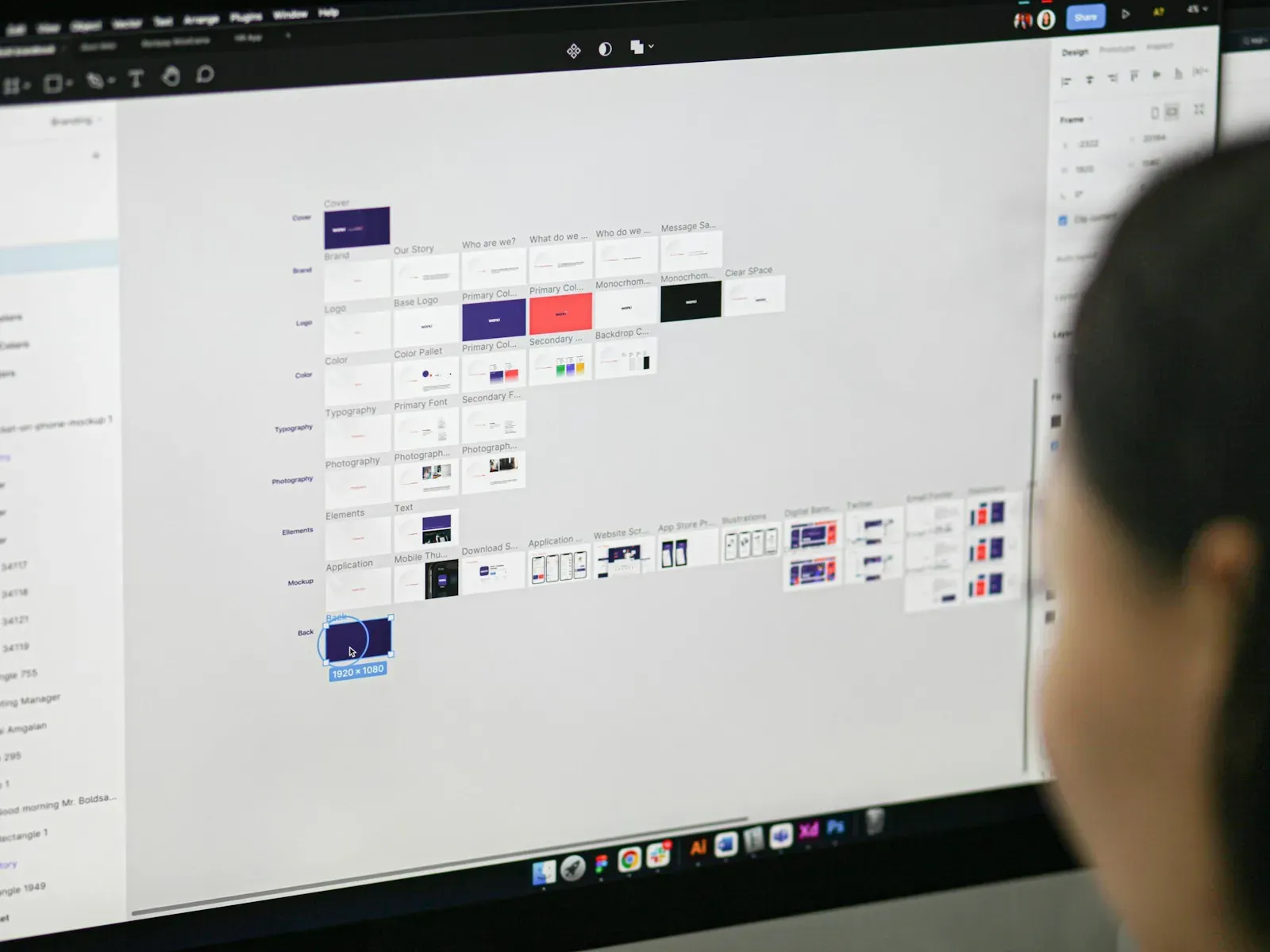
Figma's plugin ecosystem includes contrast checkers and design-lint tools that flag spacing, color, and typography issues against a file's local styles, all before a file reaches critique. Figma's Dev Mode is documented specifically as a tool for surfacing design-to-code inconsistencies at the handoff and review stage. Google's Material Design accessibility guidelines give teams an external, citable standard, so an "automated pass" means something concrete rather than arbitrary.
Layer 2: AI-assisted feedback synthesis
When feedback comes in scattered across comments and threads, FigJam's AI features can cluster and summarize themes. That's synthesis, not judgment: the tool groups what people said, it doesn't decide what's good. Treat any AI summary as a first draft of the meeting agenda, checked against raw comments before anyone trusts it as ground truth.
Designing the review sequence
- Automated lint and accessibility pass, run before sharing.
- Async written feedback from stakeholders.
- AI-assisted clustering into themes.
- Live review focused only on themes needing real debate.
- Documented resolution log.
AI touches steps one and three. Steps four and five stay human, because they involve trade-offs and accountability.
What to document
Log what was flagged, what was decided, and why. Over several cycles, this shows exactly where your AI tooling earns its place, and where brand judgment still rules.
Start small: automate one accessibility check this week, and keep the rest of the review human.