A practical, tool-agnostic framework for using AI to speed up brand audits, without letting it replace strategic judgment.
Brand audits have always meant slow, manual work: screenshotting sites, cataloguing typefaces, comparing tone across departments, checking competitor positioning. AI won't do the thinking for you, but it can compress the data-gathering and pattern-spotting phases significantly. Here's a workflow creative teams can actually use.
Define the audit before touching a tool
A brand audit spans three layers: verbal (messaging, tone, naming), visual (identity system, typography, colour), and experiential (UX, social presence, touchpoints). AI can help gather and compare evidence across all three, but the strategist sets the framework first. Large language models synthesize patterns well; they don't originate strategic judgment without a human-set rubric.
Step 1: Centralize assets
Before analysis, gather every existing touchpoint, website pages, decks, old guidelines, into one structured set. Tools like NotebookLM are built to answer questions grounded only in uploaded material and cite the source behind each claim. That traceability matters when every audit observation needs to point back to a real asset.
Step 2: Spot visual patterns, not verdicts
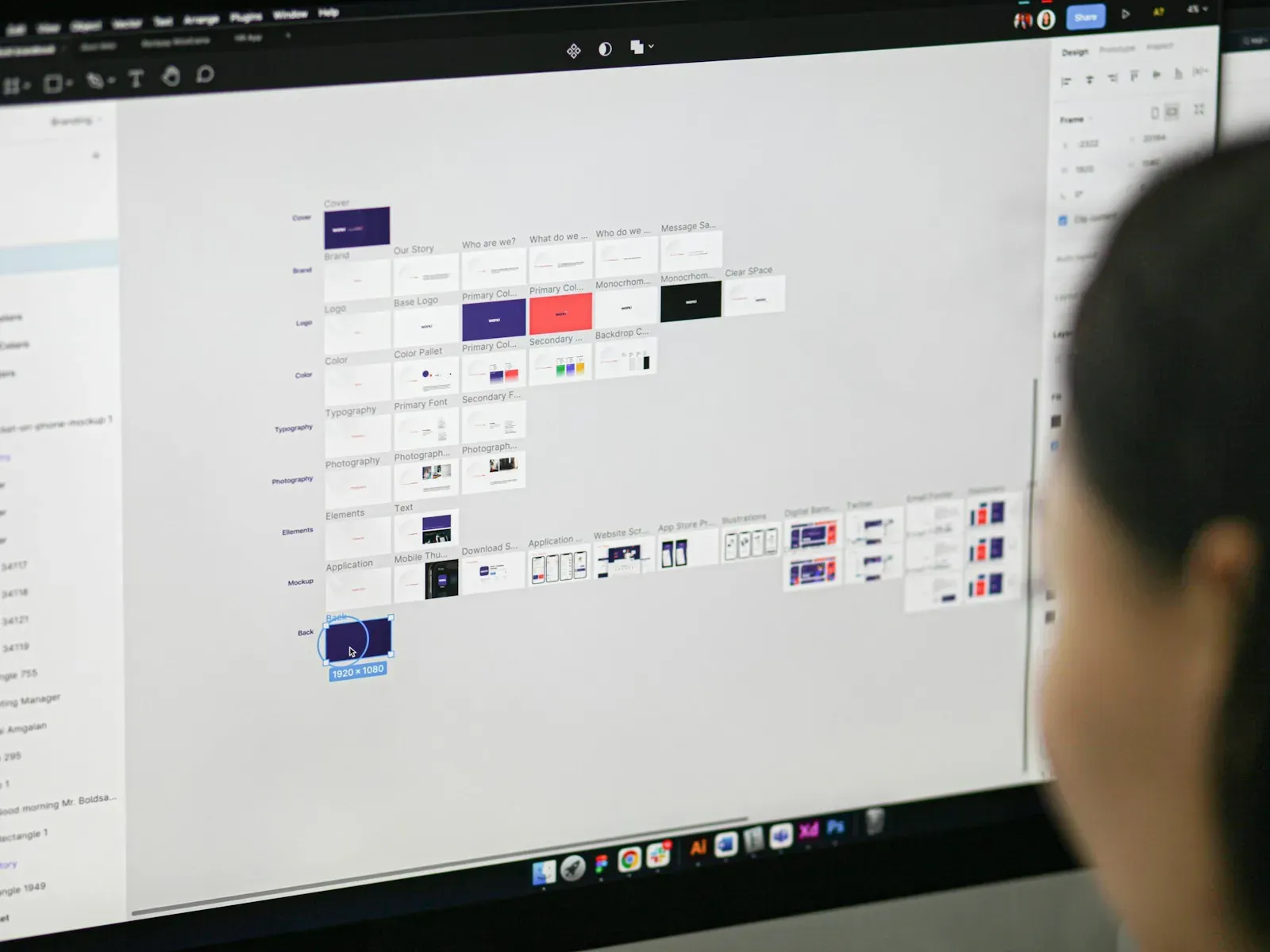
Figma's AI features help rename inconsistent layers and search across large files, useful for checking whether a documented design system is actually followed in production. Visual QA tools catch where live implementation has drifted from the system. Neither renders a verdict; both surface where to look closer.
Step 3: Synthesize tone of voice
LLMs can extract recurring vocabulary and claimed value props across a brand's copy, surfacing unintentional tone drift between departments. But as Anthropic's own documentation notes, outputs reflect training patterns, not an objective standard of good brand voice. That's fine at the audit stage; it's a mirror, not a verdict.
Step 4: Benchmark competitors with a fixed rubric
Tools like Perplexity can pull competitor positioning and messaging in parallel, but every claim needs manual verification against the live site. Apply the same criteria to every competitor, including your client, or the comparison won't hold together.
Where AI stops and judgment starts
Strategic positioning, what a brand should stand for, stays a human call. Separate observed fact from interpretation in the final deliverable, and disclose AI use in methodology when sharing with clients, consistent with OpenAI's usage policies.
Start your next audit by defining your rubric first, then let AI handle the legwork.