Generating a moodboard used to take hours. Now it takes seconds, and that speed has exposed a problem creative teams are only beginning to name.
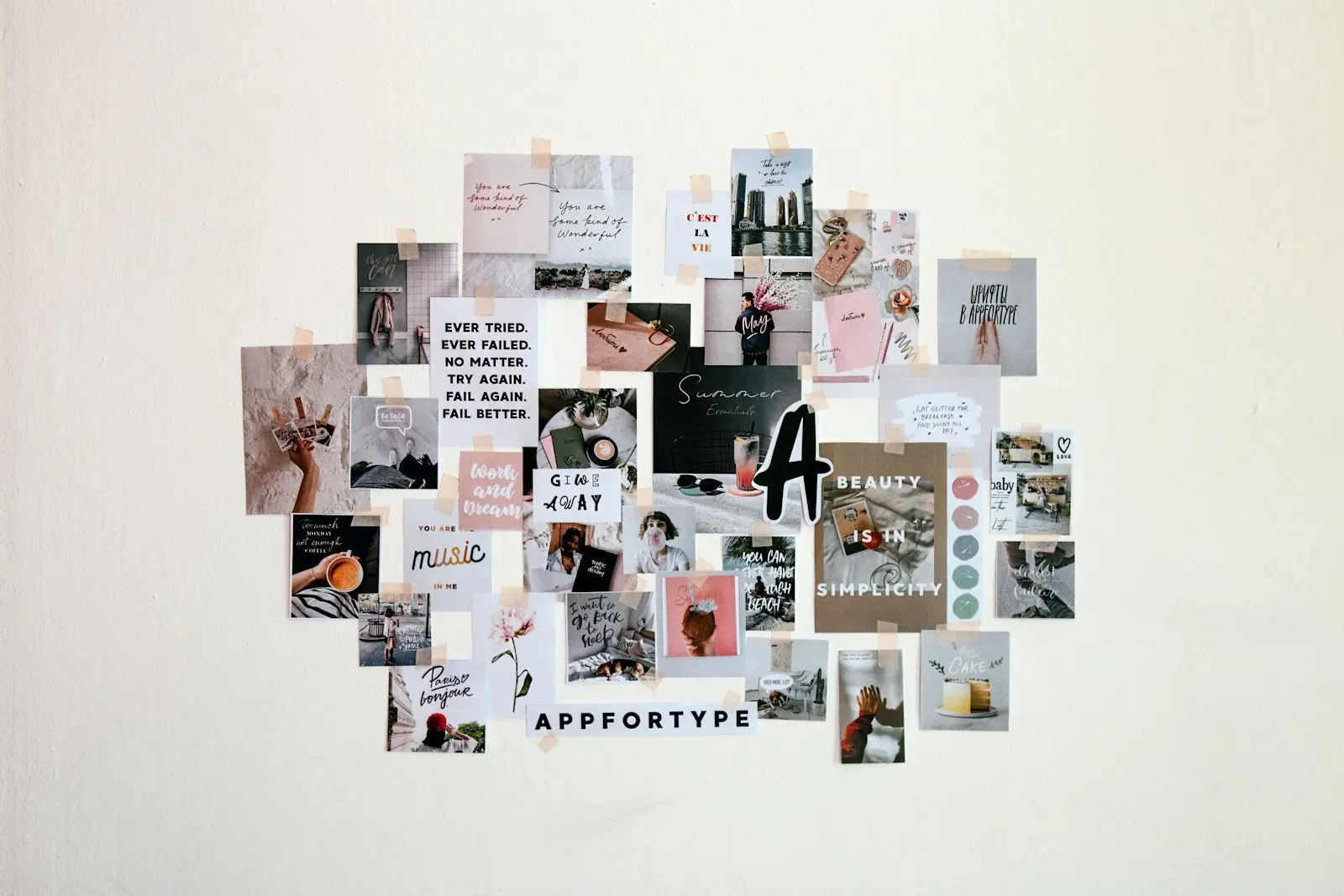
A professional concept board historically took three to six hours to assemble by hand, sourced from Pinterest, manufacturer sites, and editorial magazines, then composed with a rationale behind each choice. AI removes that sourcing time almost entirely. But the real work of a moodboard was never the gathering. It's the editorial coherence: the specific material pairing, the tension between elements, the one hero image that anchors a direction. An AI tool that skips the hours has solved the easy part of the job, not the hard part.
Why AI output defaults to generic
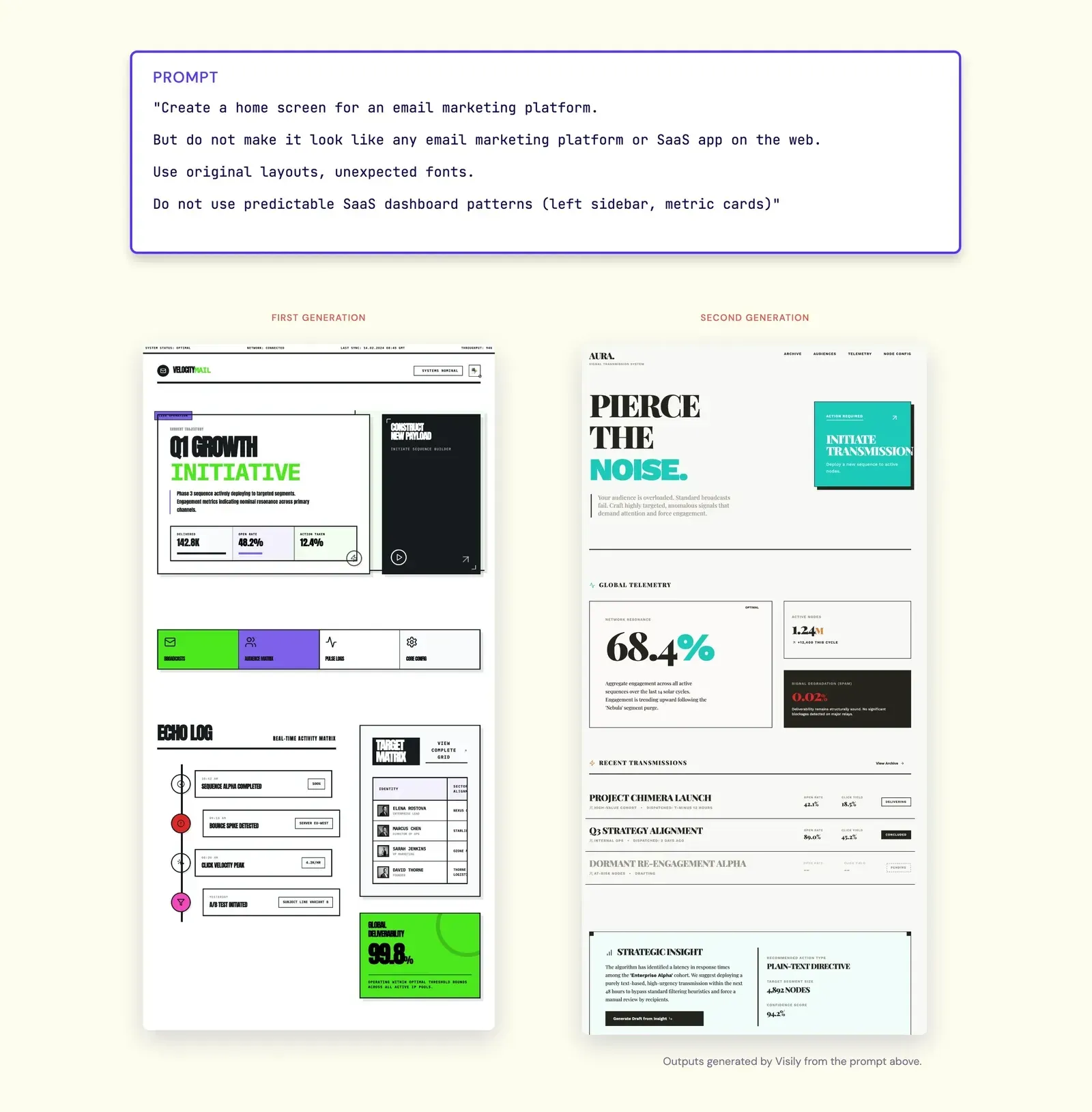
Design AI tools are trained on existing templates and conventions, so a vague prompt reliably produces an unoriginal result, as Visily's analysis explains. Figma's Chief Design Officer, Loredana Crisan, has described the discipline required as directing a tool toward your own references instead of accepting its first offer. The sameness even reaches code, with AI tools steering teams toward the same handful of building blocks.
The deeper cause is technical. Researchers call it model collapse: models trained recursively on AI-generated outputs lose the rare, specific "tails" of real data, narrowing toward homogenized results over time.
Where it shows up in practice
This isn't abstract. SitePoint reports that background-removal and other design utilities have grown less reliable as synthetic data saturates their training pools. Image generators increasingly produce centered subjects, dramatic lighting, and repeated palettes across thousands of outputs. For moodboards, the result is raw material biased toward the most common version of any aesthetic, exactly the opposite of what a board is meant to do.
How the tools are responding
Adobe's Firefly Boards, which launched globally in September 2025, was built as a multiplayer canvas for iterating on hundreds of variations, not a one-click generator. Its Presets, Describe Image, and remix features assume raw output needs steering. Adobe even digitally signs AI-generated assets with a verified certificate, a quiet admission that origin now matters as much as the image itself.
What still separates fast from good
The fix that keeps surfacing across design teams is specificity: concrete material names and exact references beat mood adjectives like "modern and cozy." AI generates options quickly, but selecting, rejecting, and weaving them into a coherent narrative remains the designer's job. That's the difference between plausible images and an actual direction worth building on.