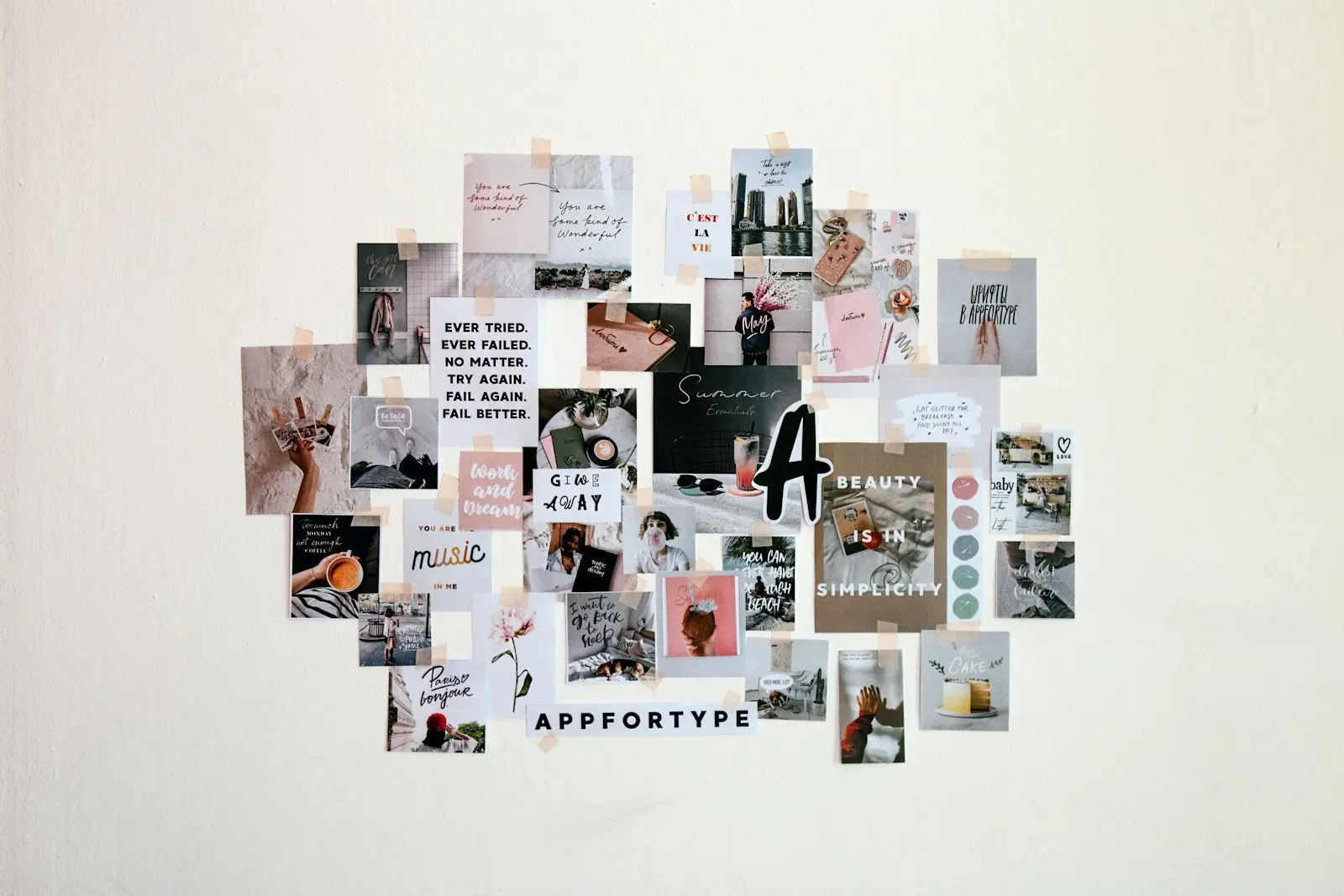
AI image tools are changing the first step of nearly every design project: the moodboard.
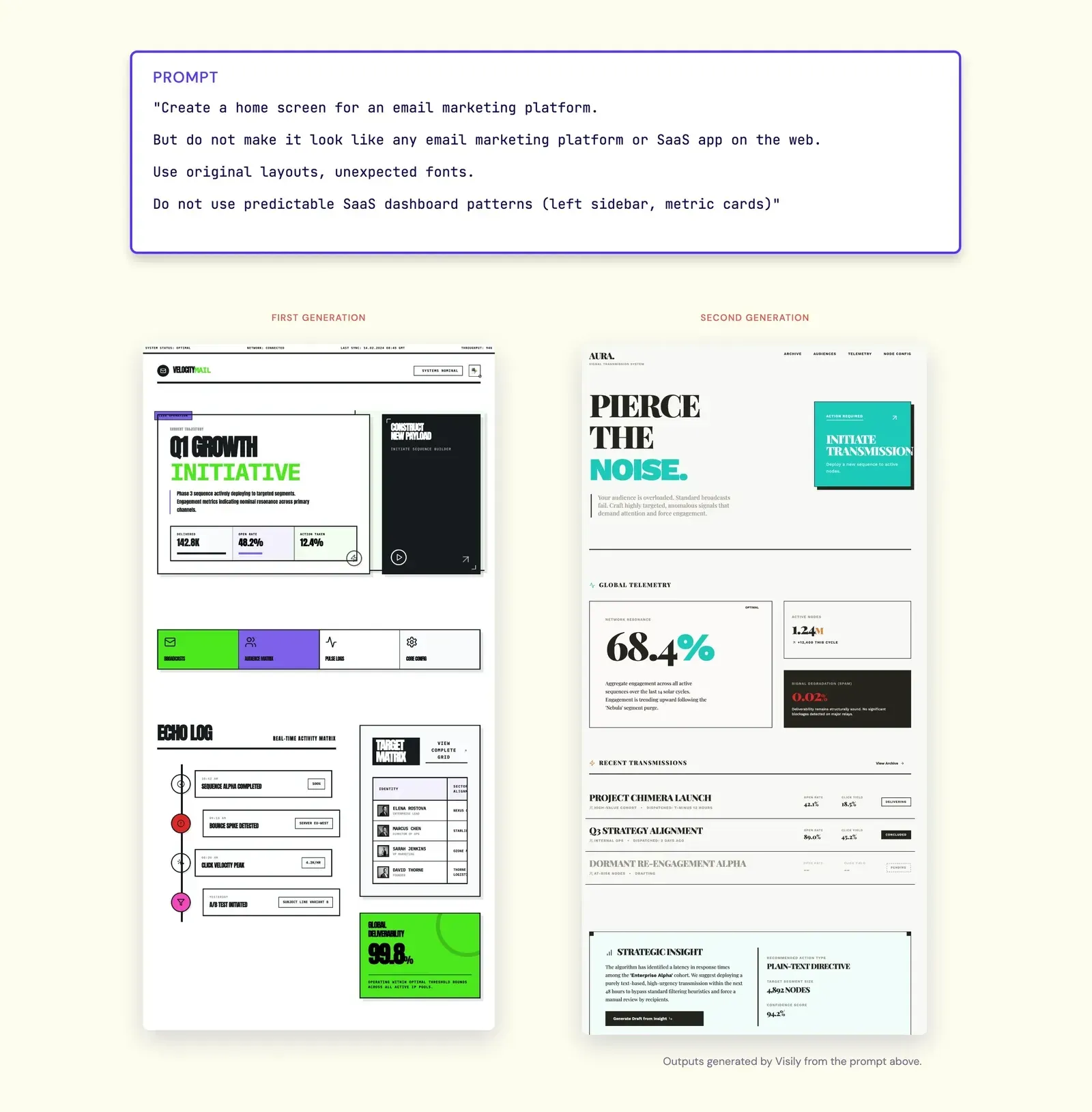
Moodboards used to mean hours trawling Pinterest, Are.na, and saved folders to find a shared visual language before a project could start. Now teams can generate reference imagery on demand, hold a style across dozens of variations, and search by visual similarity instead of keyword. That speed is real, but it introduces new questions about originality, rights, and taste that creative teams need to think through.
What a moodboard is actually for
A moodboard's real job is alignment. It gets stakeholders agreeing on tone and direction before expensive production begins. The board itself is secondary to the conversation it starts.
Traditional moodboards curate from existing sources: photography, past campaigns, architecture, product shots, all made by humans for other purposes and recontextualized. AI-generated reference breaks that chain. Images can be produced to match a brief exactly, which speeds iteration but removes the "discovered in the wild" quality that often gives boards credibility with clients.
Generative tools as moodboard inputs
Midjourney offers a --sref parameter that locks a visual direction across multiple generations, useful for building a coherent board rather than scattered one-off images. Adobe Firefly is trained on Adobe Stock and licensed content, which matters for teams worried about commercial rights down the line. DALL·E, via ChatGPT, works well for fast, disposable sketches during early discovery.
Where it creates real value
Creative leads can generate a range of directions in an afternoon instead of sourcing licensed imagery for days. Style-locking features keep a visual thread consistent across a board. And because generation is cheap, teams can bring clients multiple distinct directions instead of committing early to one.
Where it falls short
Generated images are synthetic composites, not real photography, which can make boards feel averaged or generic without deliberate art direction. Usage rights vary by tool, and AI output trained on narrow datasets can flatten regional or cultural nuance, worth checking against real local visual culture.
Use AI for speed and range, then anchor the final direction in real sourced imagery. Keep provenance notes on any AI visuals in the board. Treat generation as a tool for options, not a replacement for a sharp art director's judgment.