AI can speed up the mechanical parts of a brand audit, but the judgment calls still belong to people.
A brand audit is supposed to reveal where a brand has drifted from its strategy, not just where a logo looks slightly off. AI tools are genuinely useful for scanning assets and flagging patterns at scale, but they can also produce confident-sounding conclusions that skip the strategic thinking an audit is meant to deliver. Here's how to keep the two apart.
What a brand audit actually has to check
A real audit spans three layers: strategic positioning, verbal tone and terminology, and visual consistency across touchpoints. AI tools are strongest on the visual layer and weakest on the strategic one, since positioning judgments require market context no tool has access to. An audit's job is also to surface evidence of drift, not prescribe a fix. That distinction determines what AI is allowed to output versus what stays a human synthesis step. Before any tool gets involved, the audit needs a fixed reference point, such as brand guidelines or a positioning statement, otherwise AI is just measuring internal consistency against nothing.
Where AI genuinely earns its place
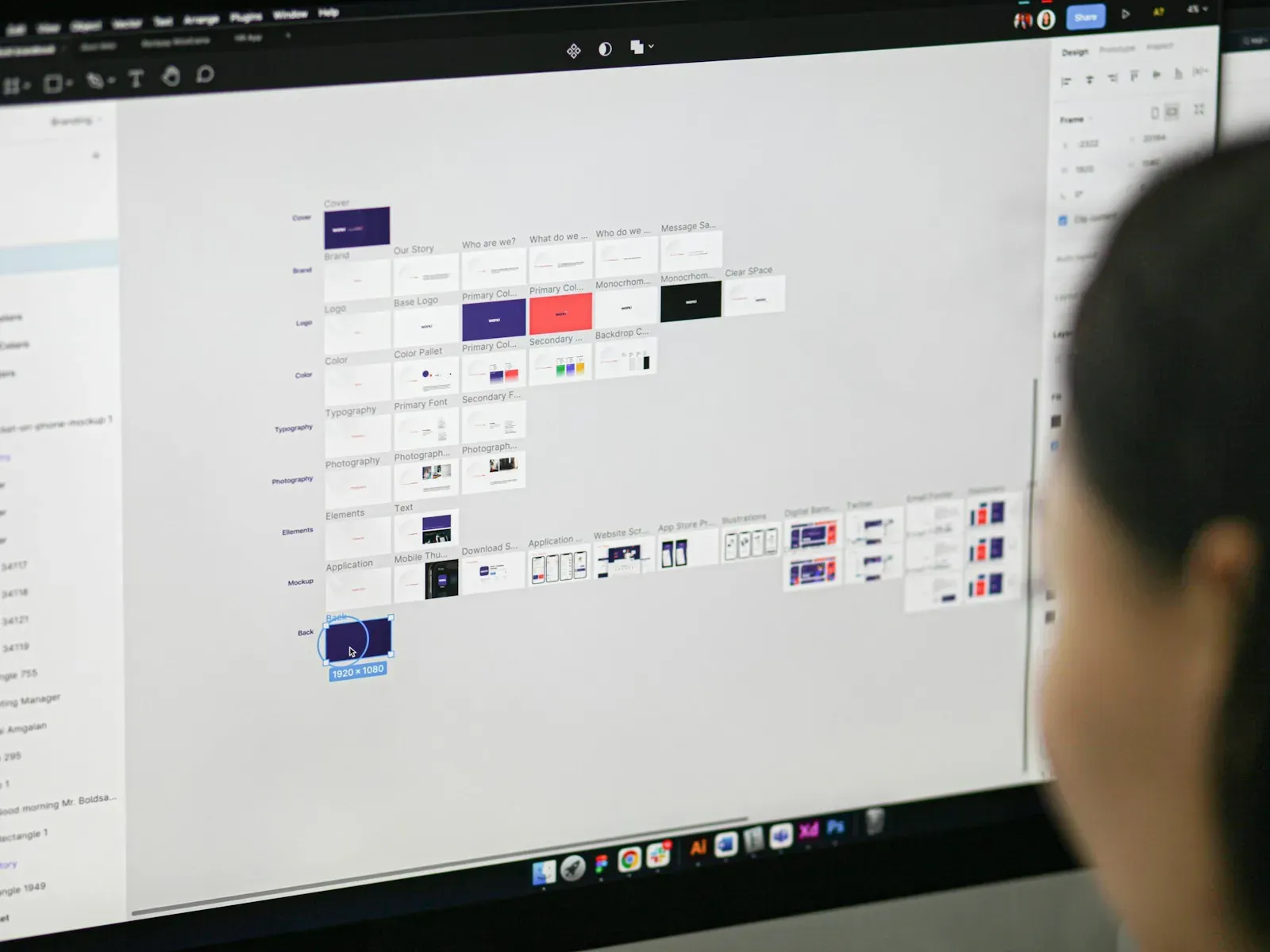
- Visual QA: Tools like Adobe Firefly and Figma's AI features can flag typography, colour, and spacing inconsistencies across large asset libraries faster than manual review.
- Tone analysis: LLMs can compare marketing copy against a brand voice document and highlight divergence in language or claims.
- Sentiment at scale: Platforms like Brandwatch and Sprout Social aggregate audience sentiment that would be impractical to compile by hand.
- Competitive scanning: AI research tools give a fast first pass at competitor messaging and visual conventions, useful as a starting point, not the analysis itself.
Where it quietly fails
LLMs will state "this brand lacks differentiation" with total confidence and zero access to the market context that would make that judgment meaningful. Sentiment tools can't tell a recall-driven spike from a genuine perception problem. Visual checkers confirm a logo follows the rules, not whether the rules still fit a business that's moved into new markets. And AI summaries tend to smooth over contradictions that the audit was supposed to surface for the team to argue about.
A workflow that keeps AI in its lane
- Collection: AI compiles raw material at scale, no interpretation.
- Pattern-flagging: LLMs surface discrepancies against the documented standard, not conclusions.
- Human synthesis: a strategist weighs flags against business context.
- Verification pass: spot-check flagged items before anything reaches a client or leadership report.
Documenting which parts were AI-assisted builds a defensible trail for decisions that need sign-off.
Signals it's holding up
A healthy workflow has flags traceable to a specific guideline clause, humans overriding a meaningful share of AI suggestions, and findings specific enough that they couldn't apply to any other brand in the category. If the report reads generic, the AI did the thinking nobody checked.
If you're weighing AI into your next audit, start by defining what stays human. That decision matters more than which tool you pick.