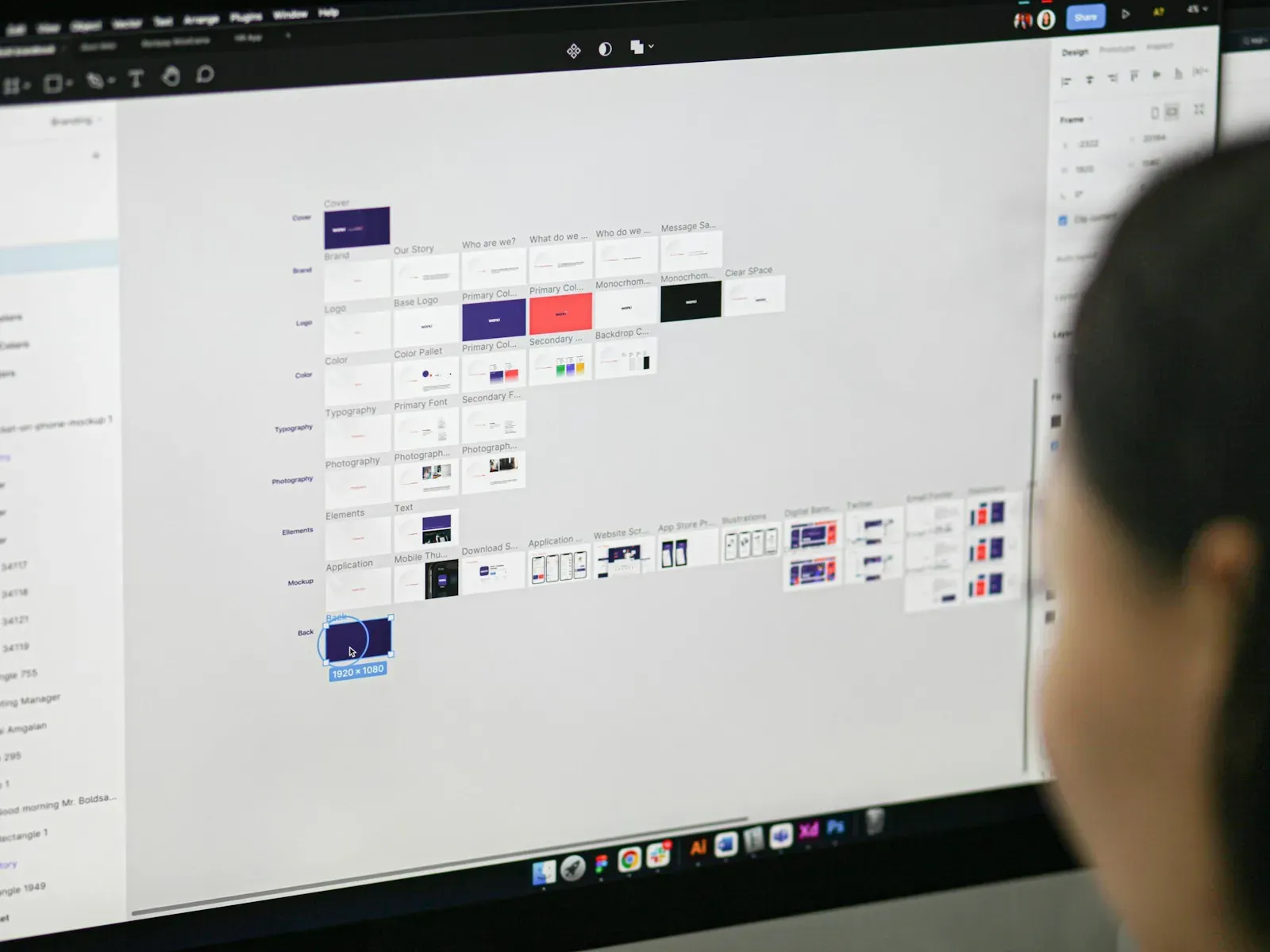
AI can now scan a brand's assets, guidelines, and even its presence inside ChatGPT or Gemini in minutes, but speed isn't the same as judgment.
Tools like Adobe Brand Intelligence and Frontify's Brand Assistant are turning static brand guidelines into systems machines can query. That's genuinely useful. It's also a risk: teams can start outsourcing the diagnosis along with the data-gathering. Here's what AI actually speeds up in a brand audit, what still needs a strategist, and how to sequence both so the audit produces insight, not just a scorecard.
Why brand audits are an obvious AI target
Audits traditionally start with slow, manual collection: gathering assets, guidelines, competitor material, and perception data before anyone can spot patterns. That's exactly the repetitive work AI accelerates. The catch, as RGD's 2026 guide puts it, is using AI to "identify areas that may benefit from closer review," not to replace the review itself. A compliance score describes a symptom. It doesn't diagnose the positioning problem behind it.
What AI reliably handles today
- Consistency scanning: Adobe Brand Intelligence builds a "brand ontology" from guidelines and past review decisions, then flags drift across content at scale.
- Guideline retrieval: Frontify's Brand Assistant answers plain-language usage questions and links to source sections, useful for checking whether teams know the rules.
- Machine-readability: Frontify's move toward an MCP server lets tools like Claude and ChatGPT query approved brand data directly.
- AI-visibility auditing: newer tools check how a brand is described or omitted in AI-generated answers, a genuinely new audit input.
Where human judgment still leads
A drift report tells you something is off-brand. It can't tell you why the audience or promise is unclear, that's strategic interpretation. Models are also trained on what's already been approved internally, so they encode existing blind spots rather than question them. As Starfish's 2026 agency survey notes, credible practice keeps human review as the deciding layer before any finding becomes a recommendation.
Conclusion
Use AI to gather and flag. Use your team to interpret and decide. That sequence keeps the audit honest, and the brand recommendations worth acting on.