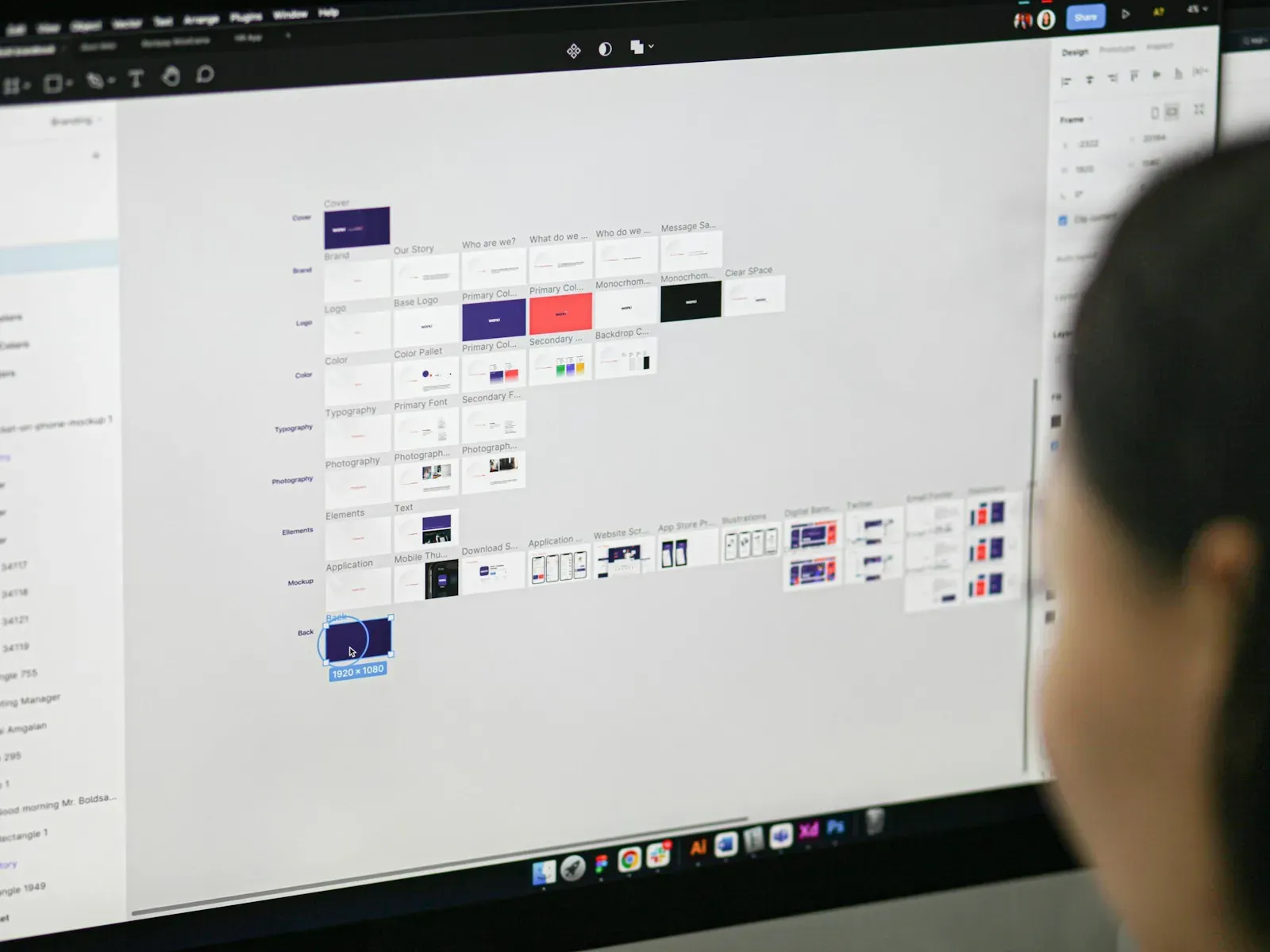
AI can generate a moodboard in thirty seconds, but that speed may be costing your team its original thinking.
For designers, the moodboard was never supposed to be quick. It was a research tool, and skipping the slow part might explain why so much AI-assisted design starts to look the same.
What the moodboard was actually for
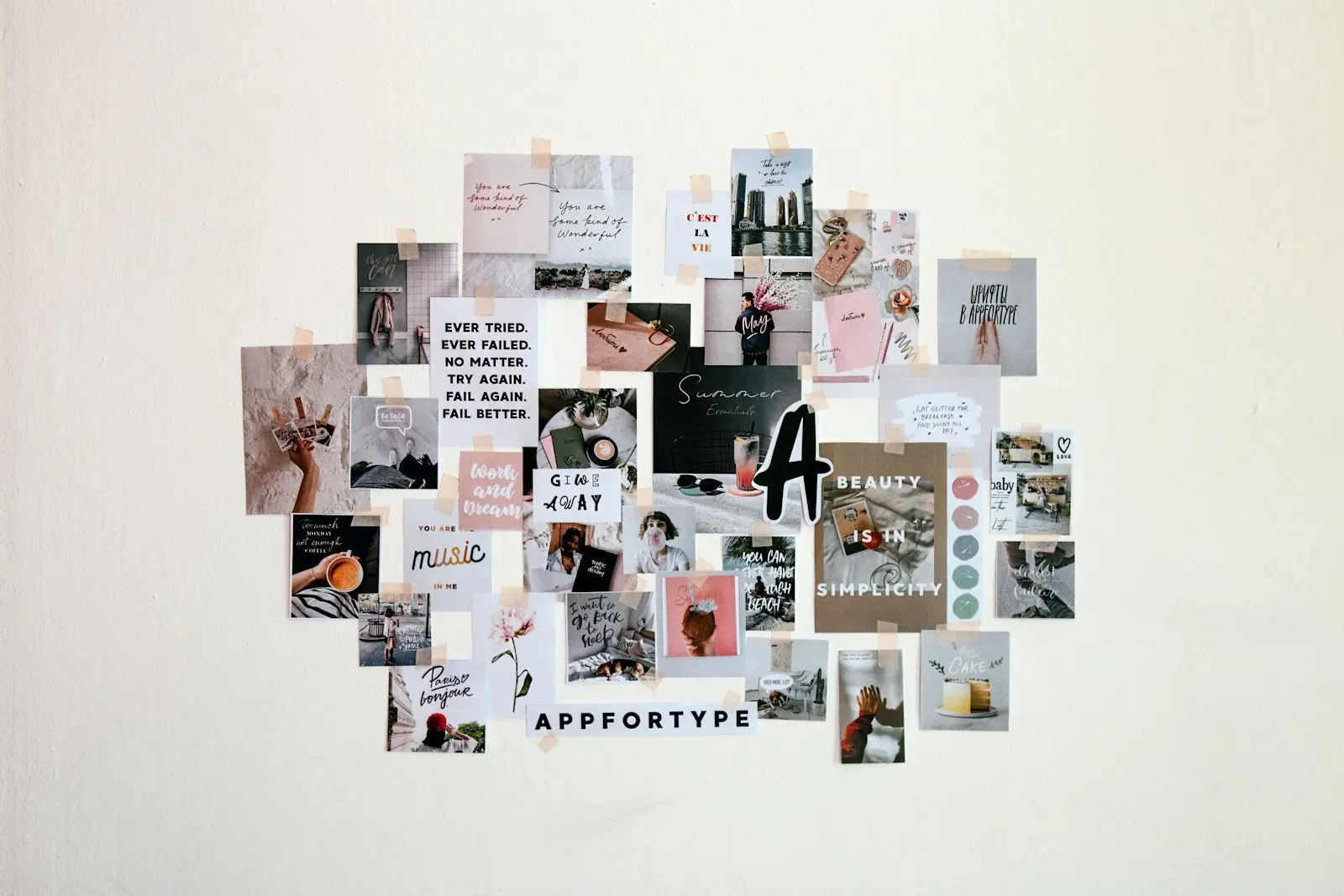
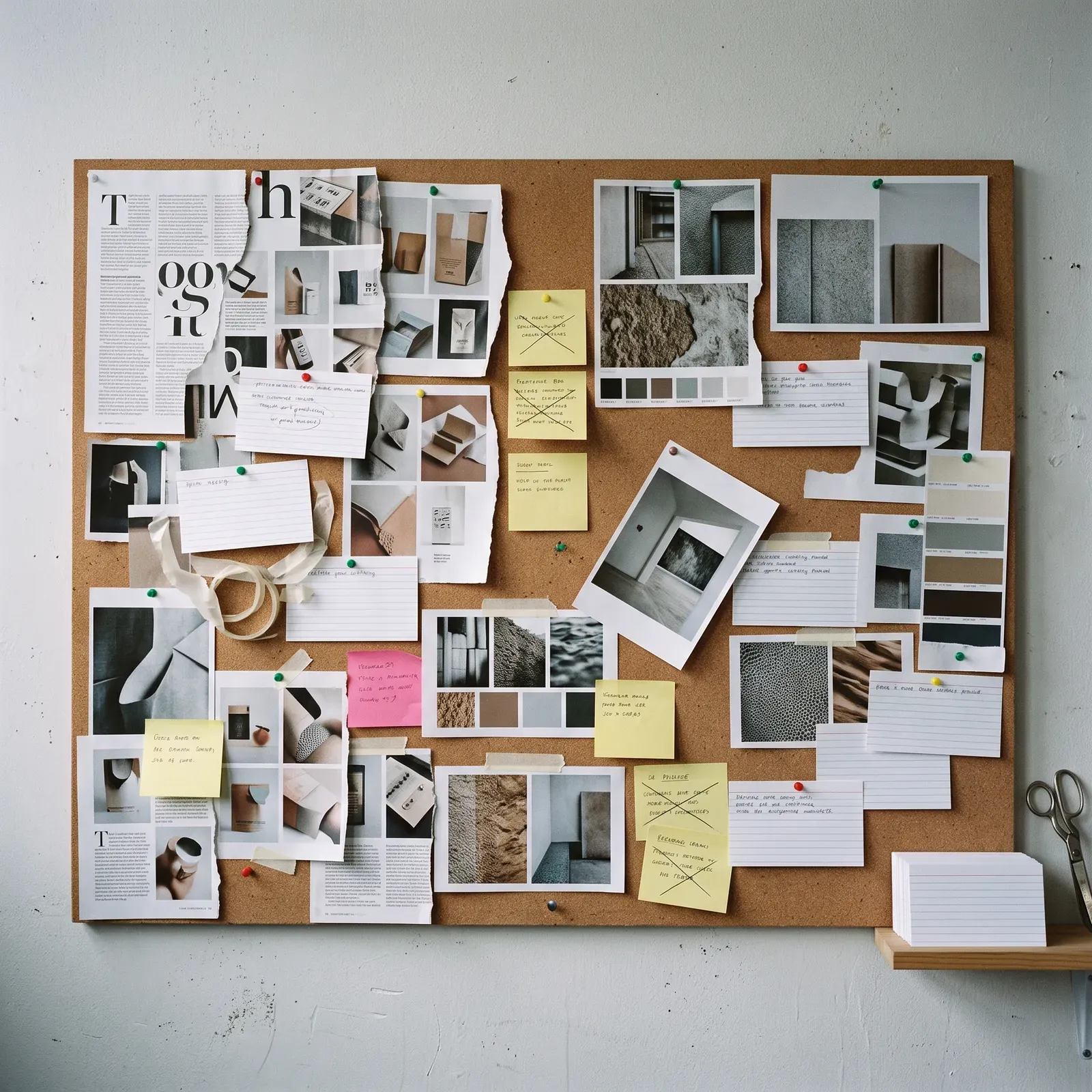
Design researcher Tracy Cassidy's 2011 paper framed moodboarding as qualitative research, not decoration. The value lived in sourcing, comparing, and rejecting references, a slow sorting process that sharpened a designer's point of view. Later HCI research on moodboard tools echoes this: the artifact was meant for exploring and defining ideas, not for producing a finished-looking deliverable fast.
The empirical case that AI speeds you into fixation
A CHI 2024 study tested 60 participants and found that exposure to AI-generated images during ideation caused people to fixate on the first idea they saw. Those who used an AI image generator produced fewer ideas, with less variety and lower originality, than a no-AI baseline. Researchers call this "design fixation," and the paper argues generative tools amplify it rather than solve it.
Why AI moodboards tend to converge on the same look
DesignPrompt, a tool built by ACM DIS researchers, started from a simple observation: professional designers struggle to turn intent into prompts, so they default to generic, keyword-driven results. This isn't new. A working art director's essay makes the same case for Pinterest-era boards, where shared algorithms surface near-identical results for searches like "minimalist set design" across different countries. A 2026 study on AI-assisted essays even found a measurable "Quality-Homogenization Tradeoff," with one structural dimension losing up to 78% of its variance, evidence that this convergence problem reaches beyond images.
Counter-evidence: it isn't the tool, it's the interaction design
The fixation problem isn't inherent to AI itself. DesignPrompt found that letting designers combine images, color, and text into one multimodal prompt measurably improved how well 12 professional designers could explore and express intent. The essay-homogenization study found something similar: increasing prompt specificity reversed homogenization into diversification on at least one dimension. Newer systems like IdeaBlocks and Luminate go further, giving designers direct control over the range of AI variation instead of handing over one best-guess output. Divergence, in other words, can be designed into the tool itself.
What slows the thinking back down
A few practical habits, drawn straight from this research, help:
- Treat the first AI output as a hypothesis, not a finish line. The CHI 2024 study names the risk explicitly: anchoring on an initial example.
- Prompt with more than words. Combine color, image, and text, per DesignPrompt's findings.
- Seek sources outside the algorithm. Pinterest-style discovery narrows the pool before AI ever enters the picture.
- Use tools built for divergence. IdeaBlocks and Luminate expose multiple branches instead of one board.
Milton Glaser's Drawing is Thinking makes the deeper point: drawing by hand is a slow act of understanding, not just representation. That friction was doing real creative work all along.
Speed isn't the enemy. Skipping the argument with your first idea is. Next time a moodboard comes together in seconds, treat it as a starting question, not an answer, and give your team room to push past it.