A practical prompt kit for the first pass of a brand audit, with honest limits on what AI can judge.
Before a redesign brief is written, someone has to find out what the brand looks and sounds like in the wild. Multimodal AI can handle that tedious first pass, but only if you label your evidence and supply context.
Label the evidence first
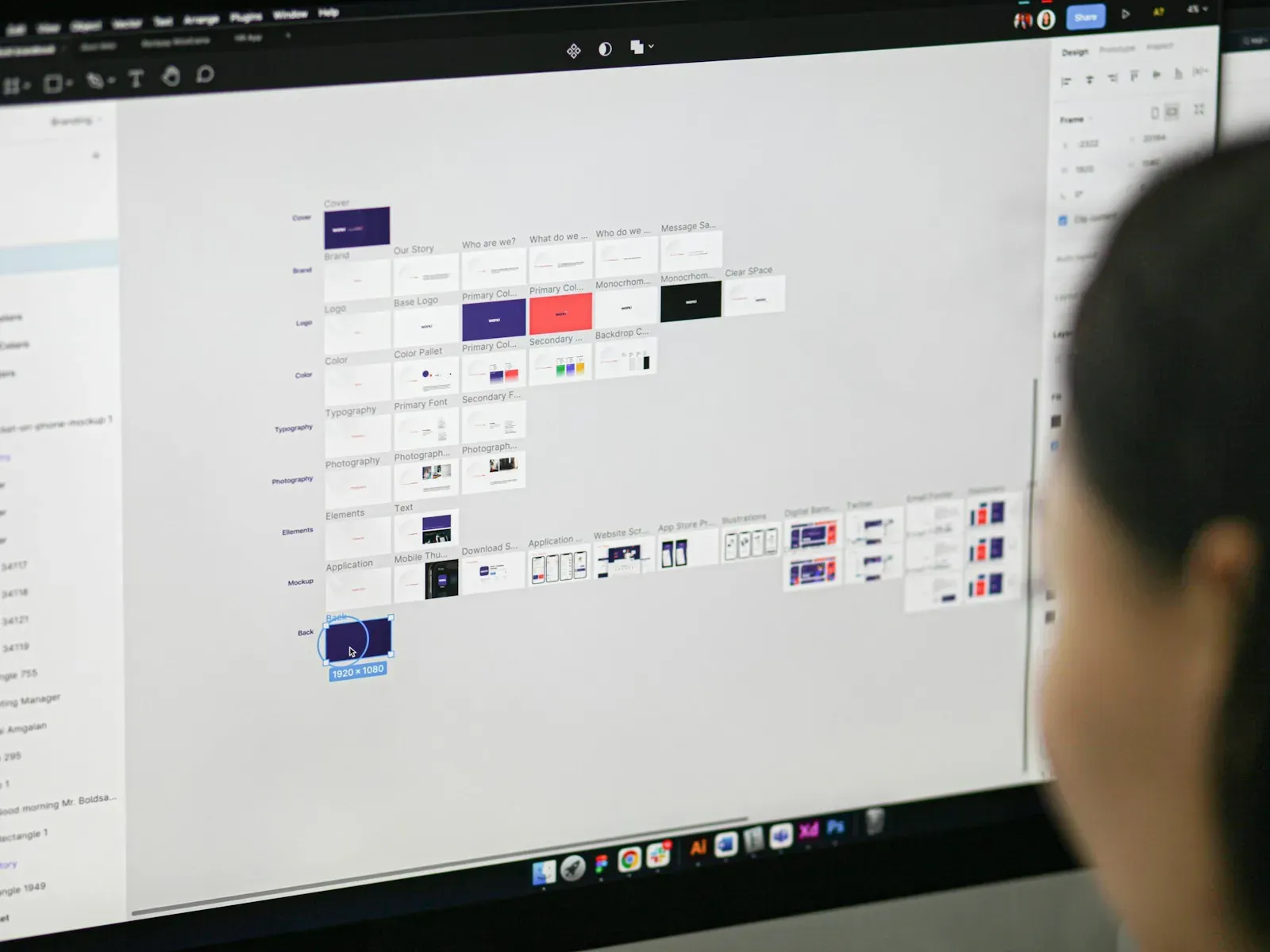
Collect screenshots from your website, social, decks, packaging and email, and name each file by channel, date and owner. Anthropic's vision documentation says multiple images can be analysed jointly in one request, and recommends introducing each with a short label such as "Image 1:". Check current per-request image limits and split large audits into channel-based batches.
Run three visual passes
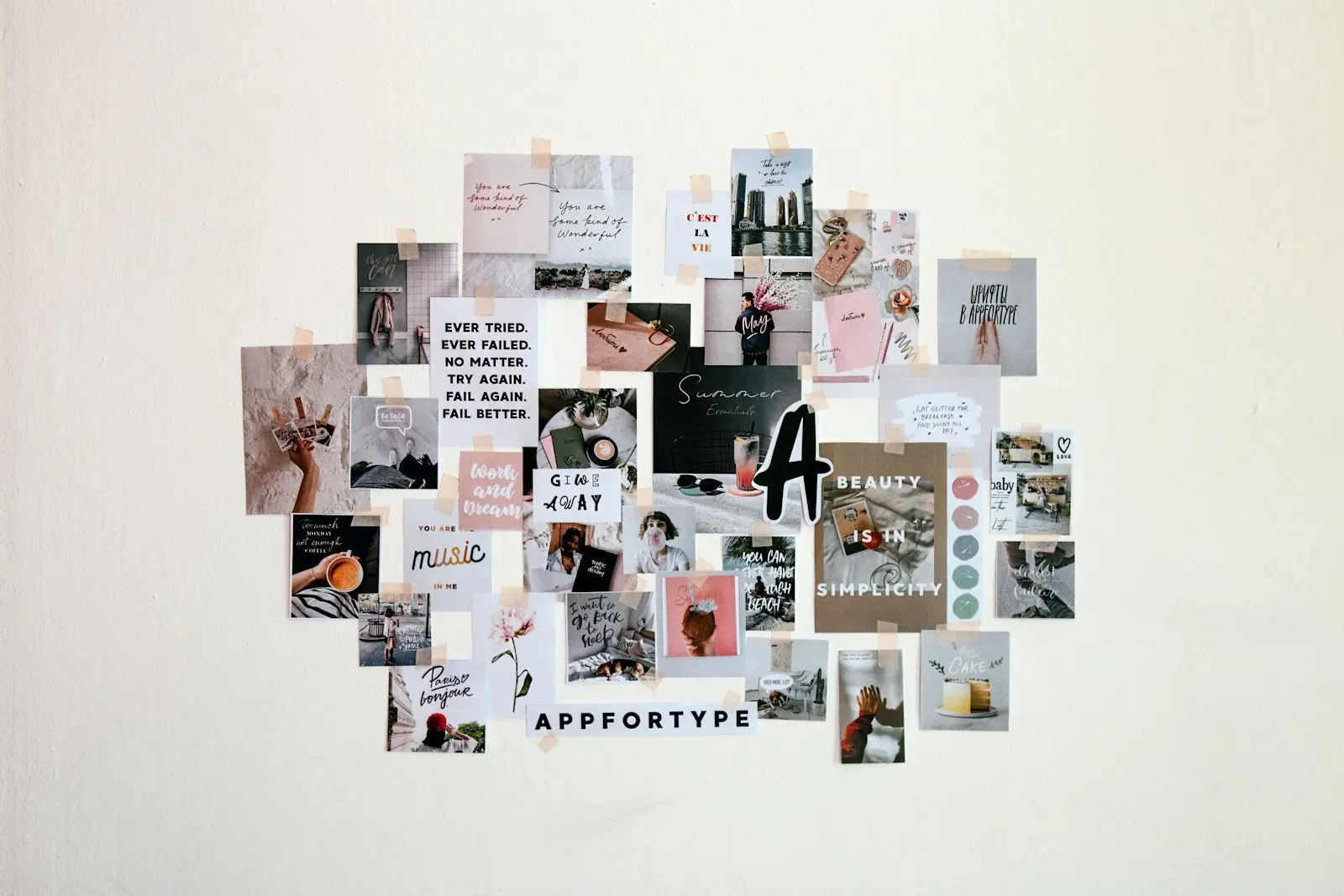
- Inventory: ask the model to tabulate each image's logo version, colour use, typefaces and imagery style, and to mark anything it cannot determine rather than guess.
- Comparison: have it check labelled images against your written guidelines, reporting the image label, the element, the rule broken and a confidence level.
- Clustering: ask it to group deviations into patterns, such as "three logo lockups in use," so you get findings instead of nitpicks.
Treat hex values and font names from screenshots as approximate. Verify them against source files.
Test the words, too
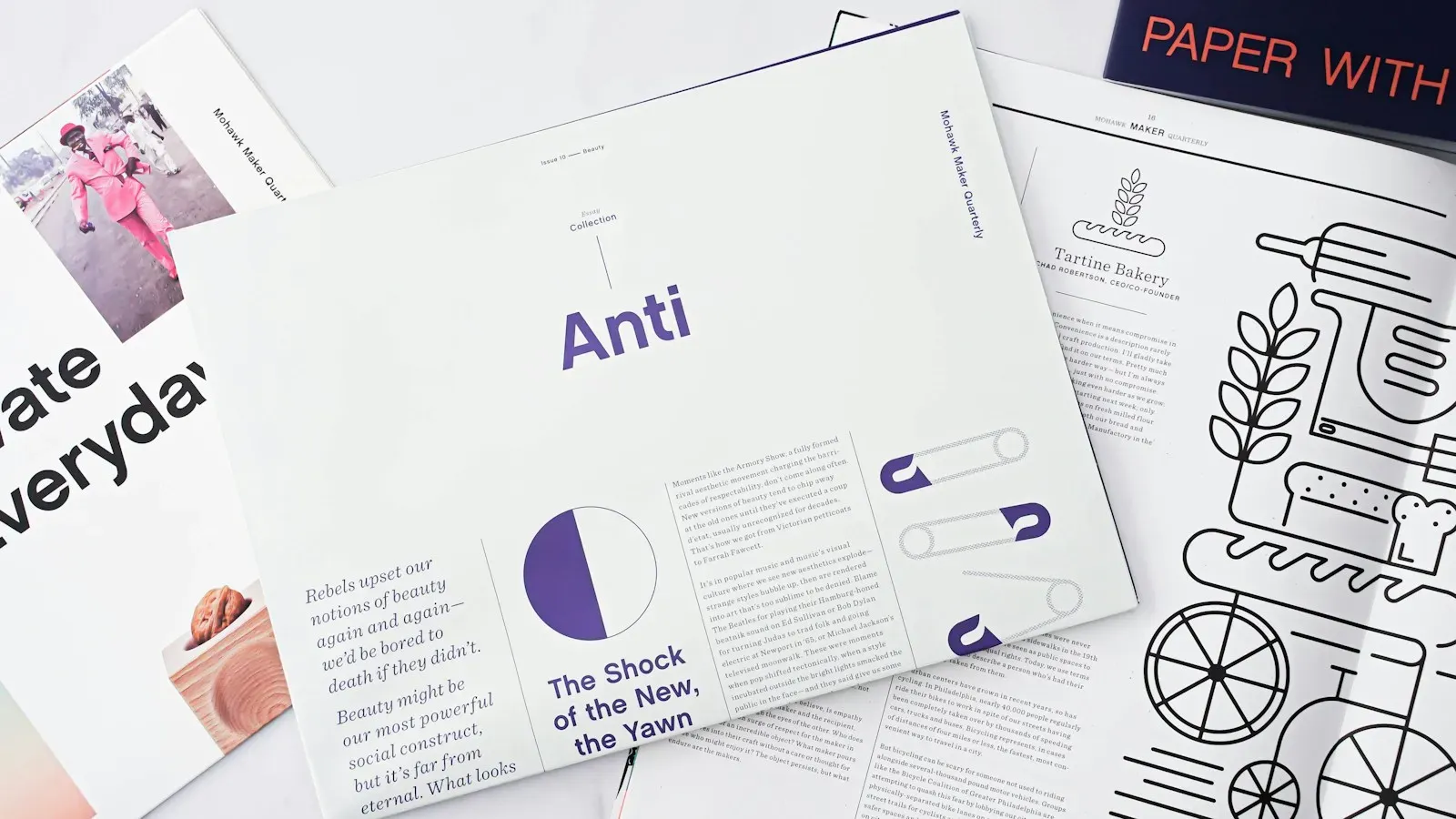
Paste homepage, About page, deck and social bio copy. Ask the model to extract the value proposition, audience and tone from each, then flag contradictions. Finally, have it quote the exact lines where published copy conflicts with your guidelines, so you can verify them yourself.
Know where the tools fit
Figma's design-system audit agent checks layers against a connected library for detached components and hardcoded values, so it suits product and web files. Frontify's Brand Check experiment assumes guidelines already live in its platform, which makes it stronger for ongoing governance than for a messy legacy audit.
Verify before you brief
Require every finding to cite an image label or quoted text, and run key prompts twice, keeping only what recurs. Check data policies before uploading unreleased work. Then triage: cosmetic drift, systemic gaps, and strategic mismatches. Only the last two should shape the brief.
Start your next redesign with an evidence folder and a reusable prompt set, and re-run it after launch to see what stuck.